Children’s Growth and Dolls: Gentle Companions Through Childhood
Dec 23,2025 | BlissfulPixie
Children grow in many ways. Physical growth is only one part of the journey. Emotional development, imagination, and a sense of security are just as important. During these early years, dolls often become quiet companions. They support children in ways adults sometimes overlook.
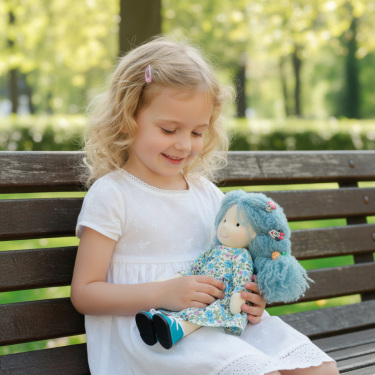
A doll is not only a toy. It can be a listener, a friend, and a source of comfort. Through daily play, children form meaningful connections that support healthy development.
Dolls and Emotional Growth in Early Childhood
Emotional growth begins with feeling safe. Many children turn to a favorite doll when they feel tired, anxious, or unsure. The soft presence of a familiar toy helps them calm down.
Children often express feelings through play. They talk to their dolls and share thoughts they cannot yet explain to adults. In this way, dolls support emotional awareness. They help children name feelings and process daily experiences.
As a result, children build confidence. They learn that emotions are normal and manageable.
How Dolls Support Imagination and Creativity
Imagination plays a key role in childhood learning. When children play with dolls, they create stories. These stories reflect what they see and feel in real life.
A simple doll can become a teacher, a baby, or a brave explorer. Each role helps children understand the world. Pretend play also strengthens language skills. Children practice new words and sentence structures during play.
In addition, creative play improves problem-solving. Children decide what happens next. They learn cause and effect in a natural way.
The Role of Dolls in Social Development
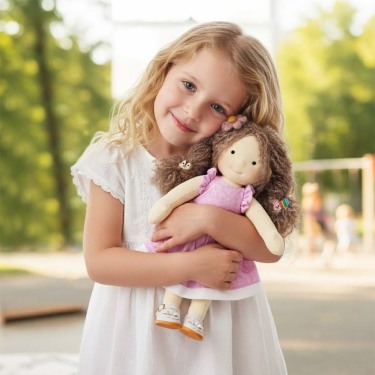
Social skills develop through interaction. Dolls allow children to practice these skills in a safe space. A child may comfort a doll or pretend to share food. These actions mirror real social behavior.
Through role play, children learn empathy. They begin to understand others’ feelings. This understanding supports healthy relationships later in life.
Moreover, playing with dolls helps children prepare for social situations. They rehearse conversations and responses. This makes real interactions feel less intimidating.
Handmade Dolls and Meaningful Connections
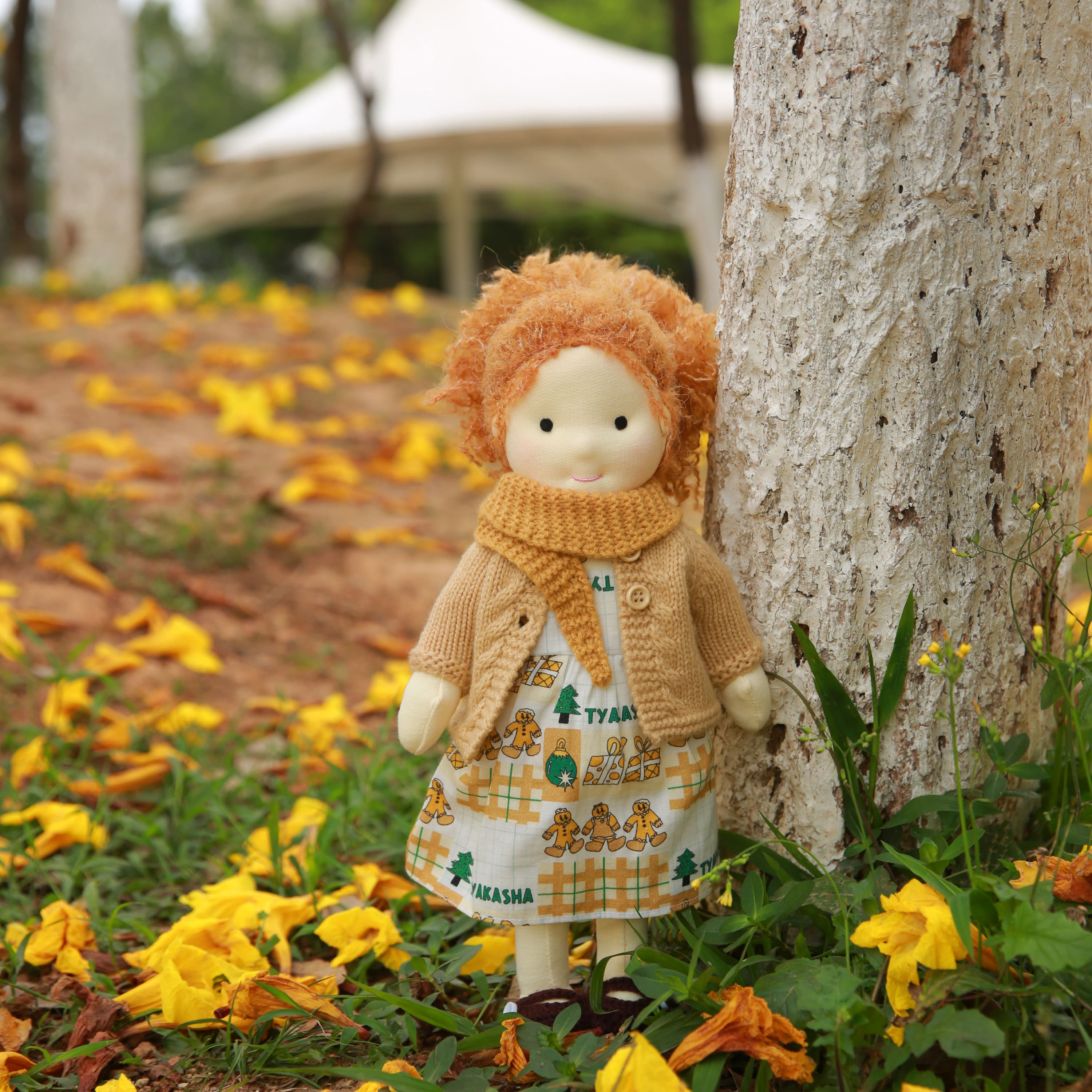
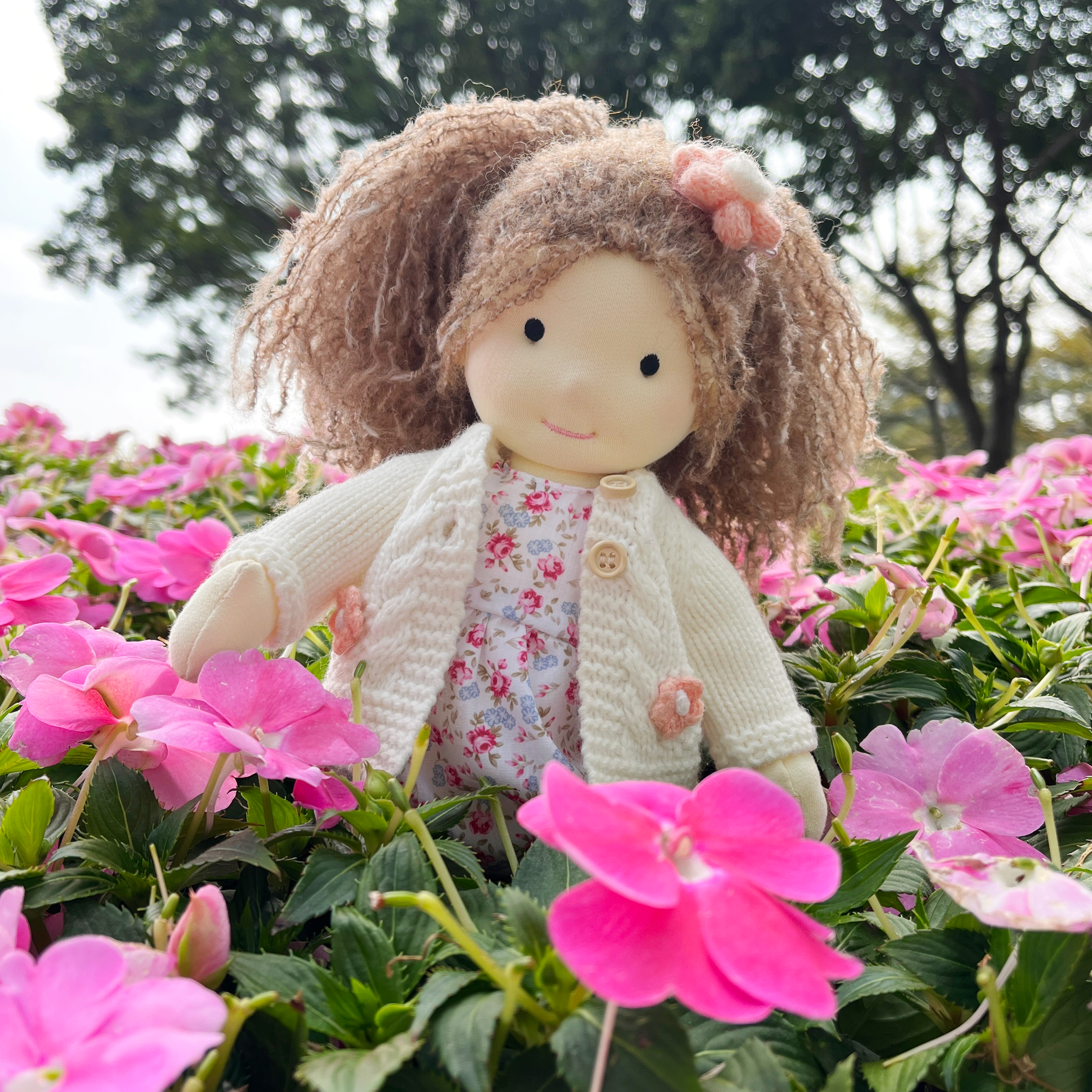
Not all dolls feel the same to a child. Handmade dolls often carry a special warmth. Their unique details make them feel personal and real.
Because each handmade doll is slightly different, children may form a deeper bond. The doll becomes more than a product. It becomes a companion with its own character.
These meaningful connections encourage long-term attachment. Children often keep such dolls for many years. Some even pass them on as treasured memories.
Choosing the Right Doll for a Growing Child
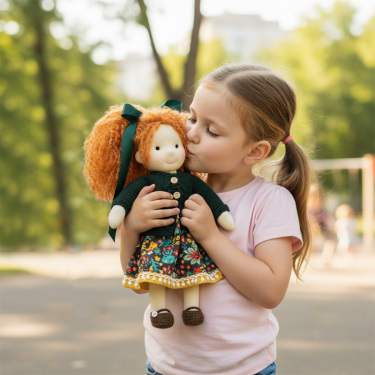
When choosing a doll, simplicity matters. A gentle expression allows children to imagine emotions freely. Soft materials also provide comfort.
Parents and caregivers should consider age and preferences. A well-chosen doll supports growth without overwhelming the child. It should invite play, not direct it.
Above all, the best doll is one that feels safe and familiar.
Dolls as Quiet Partners in Childhood Growth
Children grow through small moments. Many of these moments happen during play. Dolls quietly witness laughter, tears, and discovery.
They do not replace human connection. However, they support it. Dolls help children understand themselves and the world around them.
In childhood, these gentle companions leave lasting impressions. Their value often extends far beyond playtime.
Comment